Standardised. Scalable. De-risked.

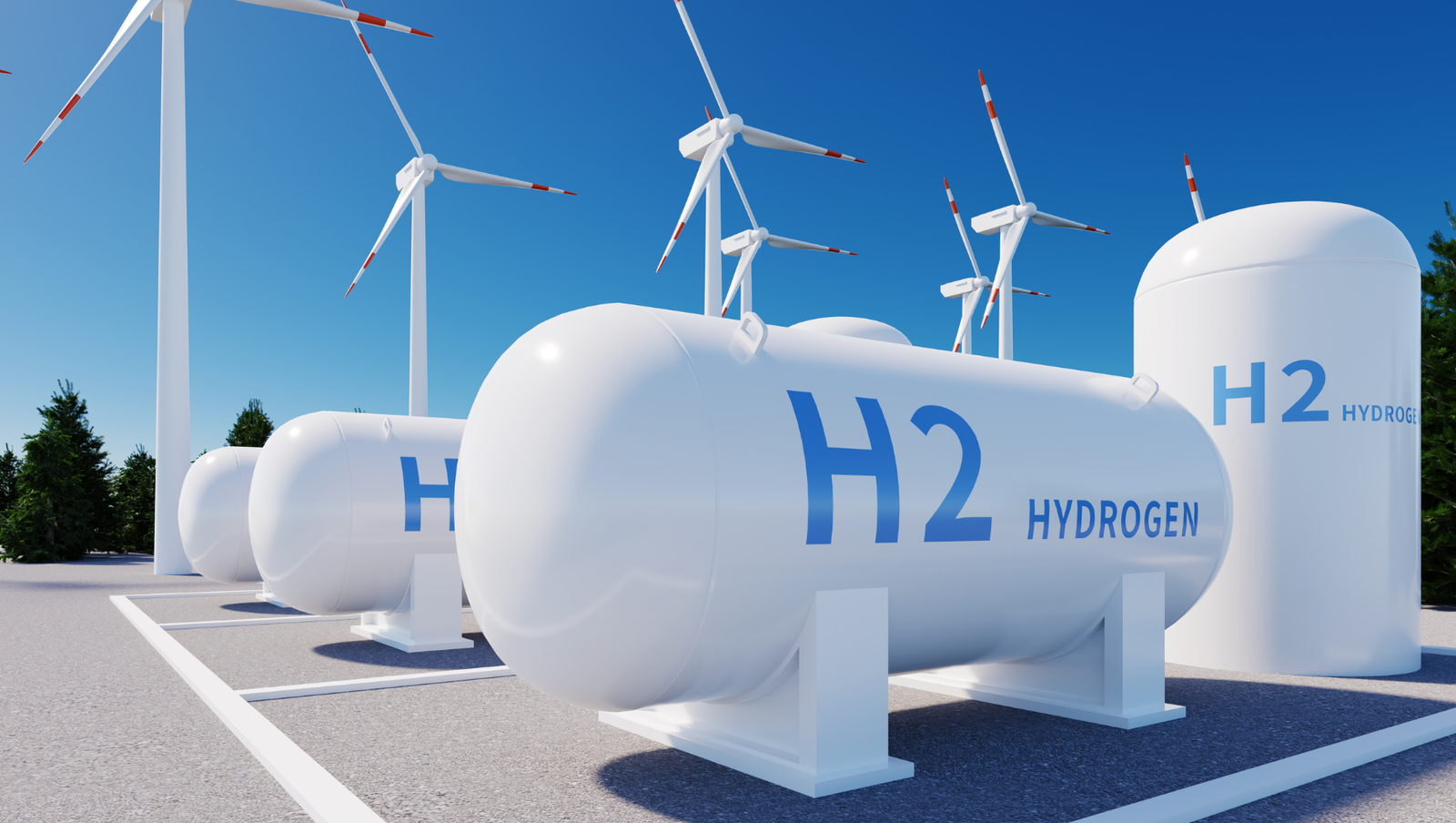
From bespoke construction to product deployment — PTNZ’s modular hydrogen platform delivers 10+MW green hydrogen production as a repeatable, factory-built blueprint, not a one-off project.

The Modular Advantage

Traditional hydrogen projects are engineered from scratch — slow, expensive, and hard to replicate. PTNZ’s modular approach changes that.

We’ve broken green hydrogen production down into standardised, factory-built blocks that can be pre-tested, transported, and assembled on site — cutting both capital cost and delivery time, while preserving full engineering rigour at every stage.

Capacity: Scalable from pilot units up to 10+MW multi-block deployments.

Scope of Modules

Electrolyser Skids PEM/ALK stack arrays with integrated power conditioning, engineered for reliable, round-the-clock production.

Water Treatment Deionisation and purification systems built to the feedwater quality electrolysers demand.

Processing & Safety Compression, drying, and venting interfaces engineered to ISO/IEC safety standards from the ground up.

Each module is designed to interface with the others through a common system architecture — Power Unit, Water Unit, and Electrolyser Core feeding into H2 Processing and Compression — so blocks can be added as demand grows, without re-engineering the plant.
Key Benefits

Factory-built & pre-tested

Standardised design costs

Pilot to multi-MW blocks

Pre-engineered docs

Delivery Approach

Every deployment is backed by configurable Balance of Plant (BoP) options, comprehensive FAT/SAT (Factory & Site Acceptance Testing), and structured commissioning playbooks — engineered to get projects from concept to operation with minimal surprises and rapid time-to-value.

Why It’s Different

PTNZ isn’t a generalist EPC bolting hydrogen onto a standard offering. Our modular H2 platform is built on deep domain expertise in hydrogen molecule behaviour, combined with renewables integration — engineered by a specialised team, vendor-agnostic on technology selection, and digital by design from day one.

Common questions

Hydrogen production, answered

If your question is not here, one short conversation with an engineer usually answers it faster than any page can.

Ask us directly
01 What does modular hydrogen production actually mean?

It means treating a hydrogen plant as a product rather than a one off construction project. Instead of engineering each scheme from a blank sheet, we build from a standardised production block that is manufactured and pre-tested in a factory, then delivered to site.

The engineering work that would normally be repeated on every project is done once, properly, and reused. What changes between projects is the integration into your site, not the plant itself.

02 What size can you build, and does it scale?

The standardised blocks start at 10MW and scale upwards. The same blueprint runs from a pilot through to multi-MW deployment, so growing capacity means adding blocks rather than redesigning the plant.

That matters commercially as well as technically: you can commit to a first phase without designing yourself into a dead end if the offtake grows.

03 How does a modular approach change cost and programme?

Three ways, all of which come from doing the engineering once instead of every time.

  • Standardised design lowers CAPEX, because the engineering is amortised across projects rather than charged to each one
  • Factory build and pre-testing shortens deployment and moves work off the critical path on site
  • Pre-engineered documentation simplifies permitting, because the submission is not written from scratch

How much difference that makes on your project depends on the site, the connection and the consenting regime, so we would rather model it against your case than quote a headline figure.

04 Green or blue hydrogen, and what about derivatives?

Both. We work across green and blue hydrogen production, and on what happens downstream of it: refuelling, hydrogen to power, and derivatives including ammonia, methanol and ethanol.

The right answer depends on your feedstock, your power source and who is buying the output, which is usually a question worth settling before the plant is sized.

05 How is safety handled for compression, storage and transport?

As part of the design, not as a separate exercise afterwards. Compression, storage and transport safety is engineered into the standardised block, and our wider practice applies rigorous adherence to ISO and IEC standards from the first HAZID through to handover.

Because the block is standardised, the safety case is built on a design that has already been worked through rather than on a first of a kind arrangement.

Prev
Next